Why Bespoke Art Is a Strategic Advantage in Hospitality Design

by 
Christopher Trotman

Art in hospitality is too often an afterthought.

The interiors are complete. The furniture is installed. The lighting is perfect. And then someone realises the walls are empty. At that point, art becomes decoration rather than design. It becomes something to “sort out”. A procurement exercise. A last-minute Pinterest scroll.

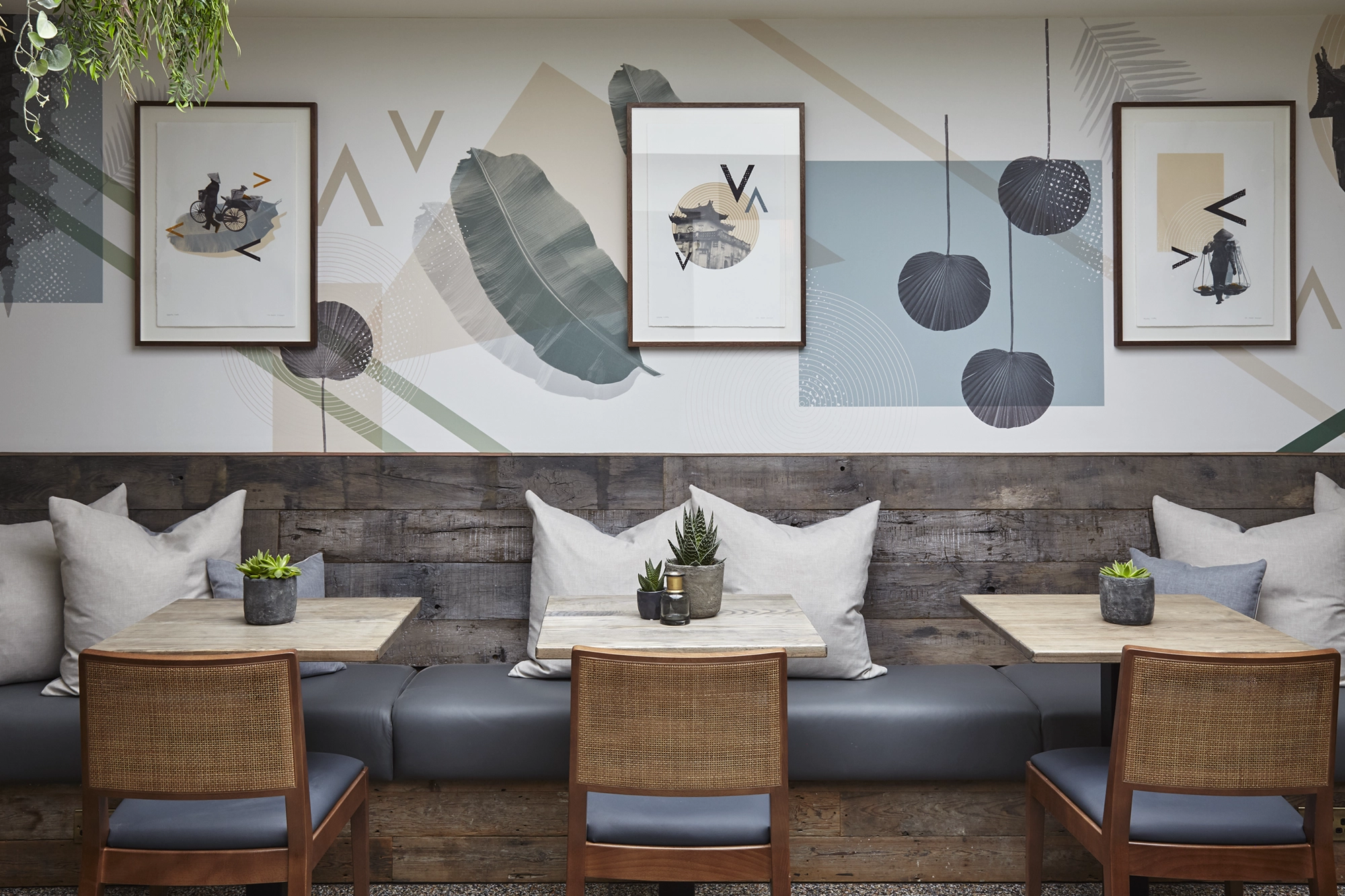
At Run For The Hills, we see it differently. When art is conceived as part of the original creative vision, it becomes one of the most powerful tools in shaping a hotel or restaurant’s identity. It can deepen the narrative, strengthen brand recognition and create spaces that guests genuinely remember.

Art as an Extension of the Brand World

In hospitality, every element contributes to the story. The name, the menu, the materials, the lighting, the music. Art should sit comfortably within that same ecosystem.

When developed alongside the brand and interiors, a curated art collection can subtly echo motifs, reference provenance or reinforce tone of voice without ever feeling overtly branded. The key is restraint. It should feel authored, not advertised.

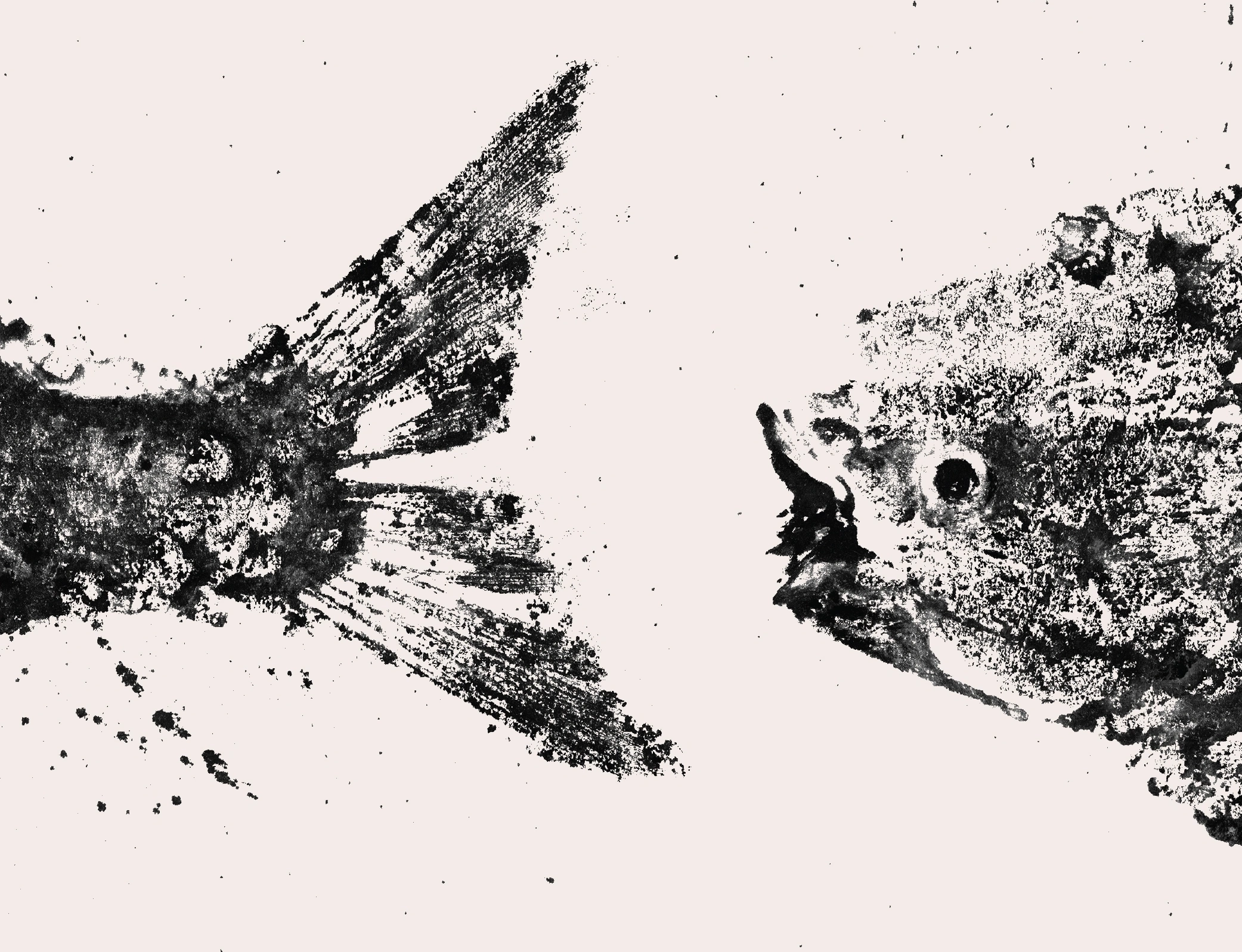
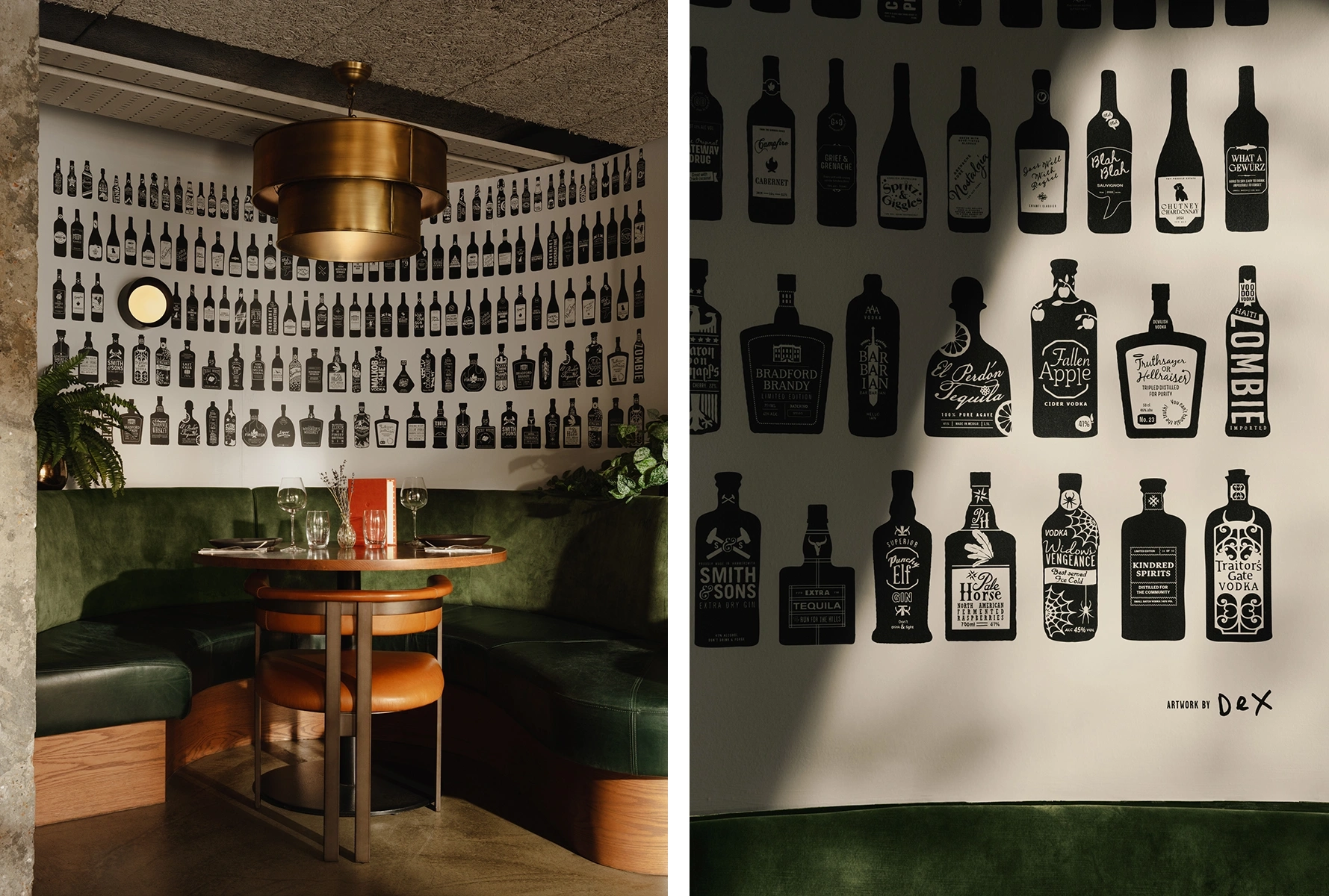
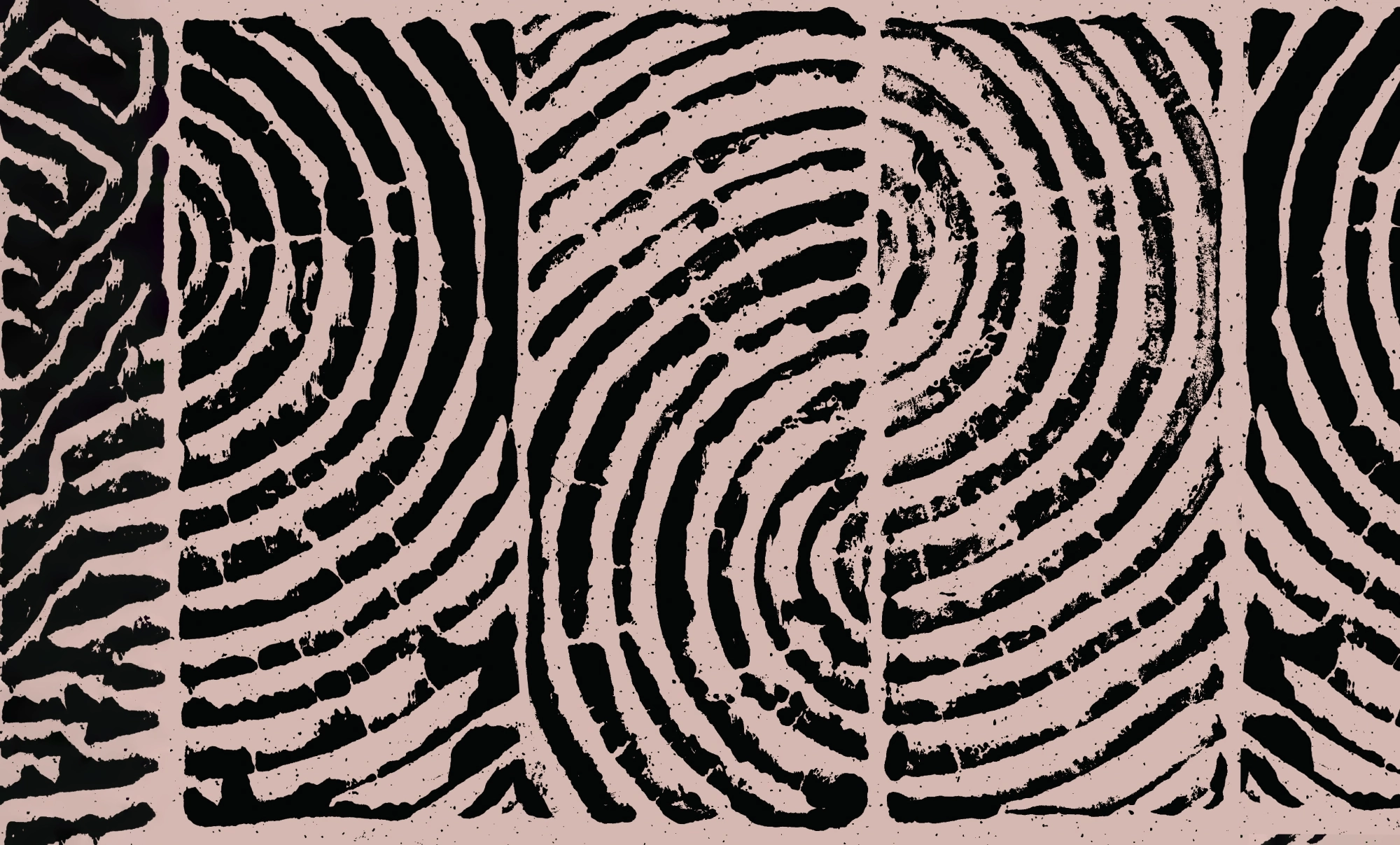
We explored this approach in our work for OXBO for Hilton. The restaurant concept centres around farm-to-fork dining and the honest craft of seasonal produce. Rather than simply hanging decorative pieces, we created a bespoke art collection rooted in that narrative. Wood clippings, fish rubbings, bark textures and lino prints brought a tactile, nature-led quality into the space. The artwork doesn’t shout about the brand. It embodies it. Guests may not consciously analyse the connection, but they feel it in the atmosphere.

We created a master library of works that we then digitised so Hilton could use them across all of their OXBO restaurants. This gave Hilton reassurance that individual hotel operators had one less thing to worry about and ensured that each OXBO felt unmistakably like an OXBO. The library was designed with flexibility in mind, including which pieces to use, more shells and fish rubbings in coastal locations for example, as well as different sizes and colourways, to make sure it didn’t start to feel too ‘chainy’.

That is where art becomes powerful. It moves from surface treatment to storytelling device.
More Than Something on the Wall

When a hotel commissions original art and secures the rights, the value extends far beyond a framed piece.

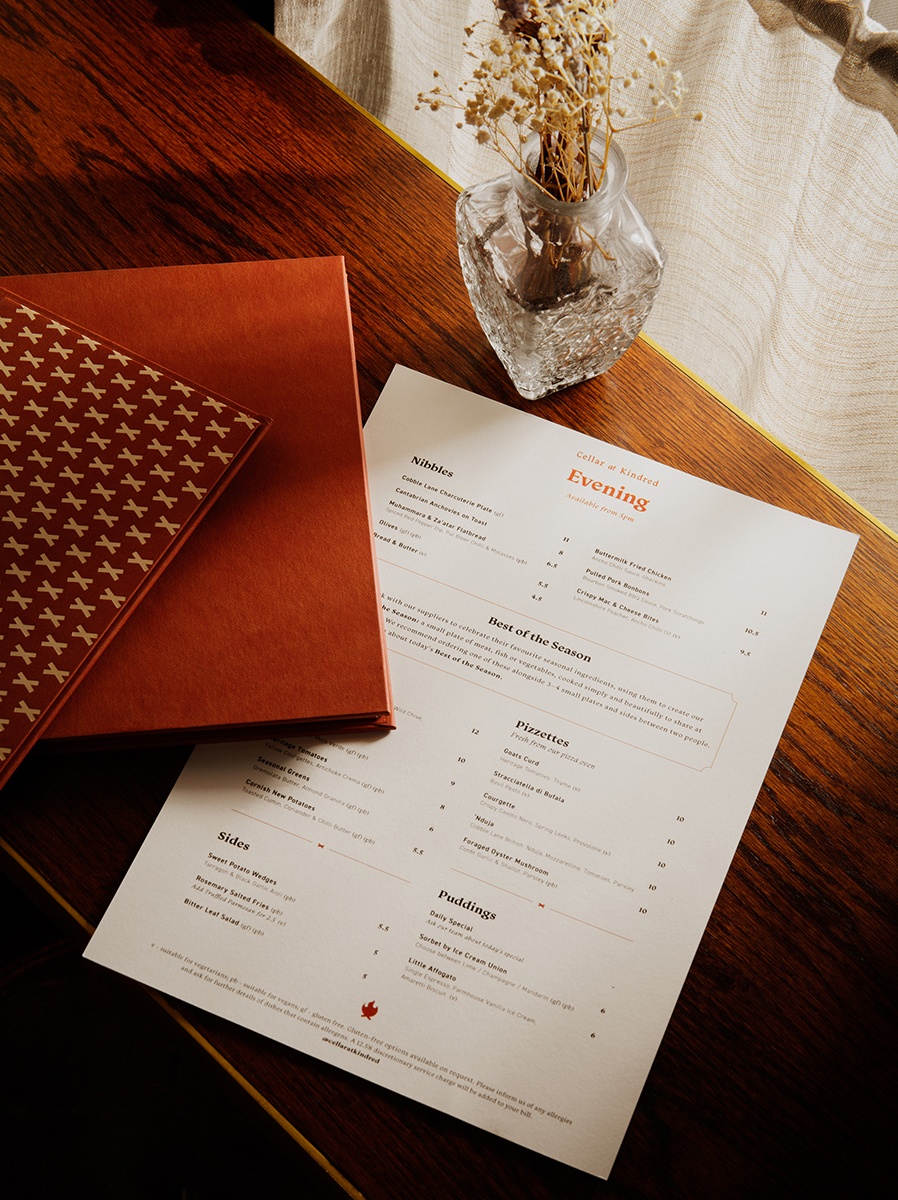
Artwork can evolve into fabric patterns, wallpaper designs, printed menus or subtle detailing within the wider brand language. It can appear across multiple sites within a hotel group, creating consistency without repetition. A theme can be interpreted in different ways while still feeling recognisable.

For multi-location hospitality brands, this becomes a strategic advantage. Instead of sourcing disparate artwork for each new opening, the art becomes part of the brand DNA. It travels with the concept and grows with it.

It’s also far more harmonious. When art is integrated from the outset, scale, lighting and placement are considered properly. It feels embedded in the architecture rather than perched on top of it, which is how it can feel if it’s left until the end.

Atmosphere, Emotion and Memory

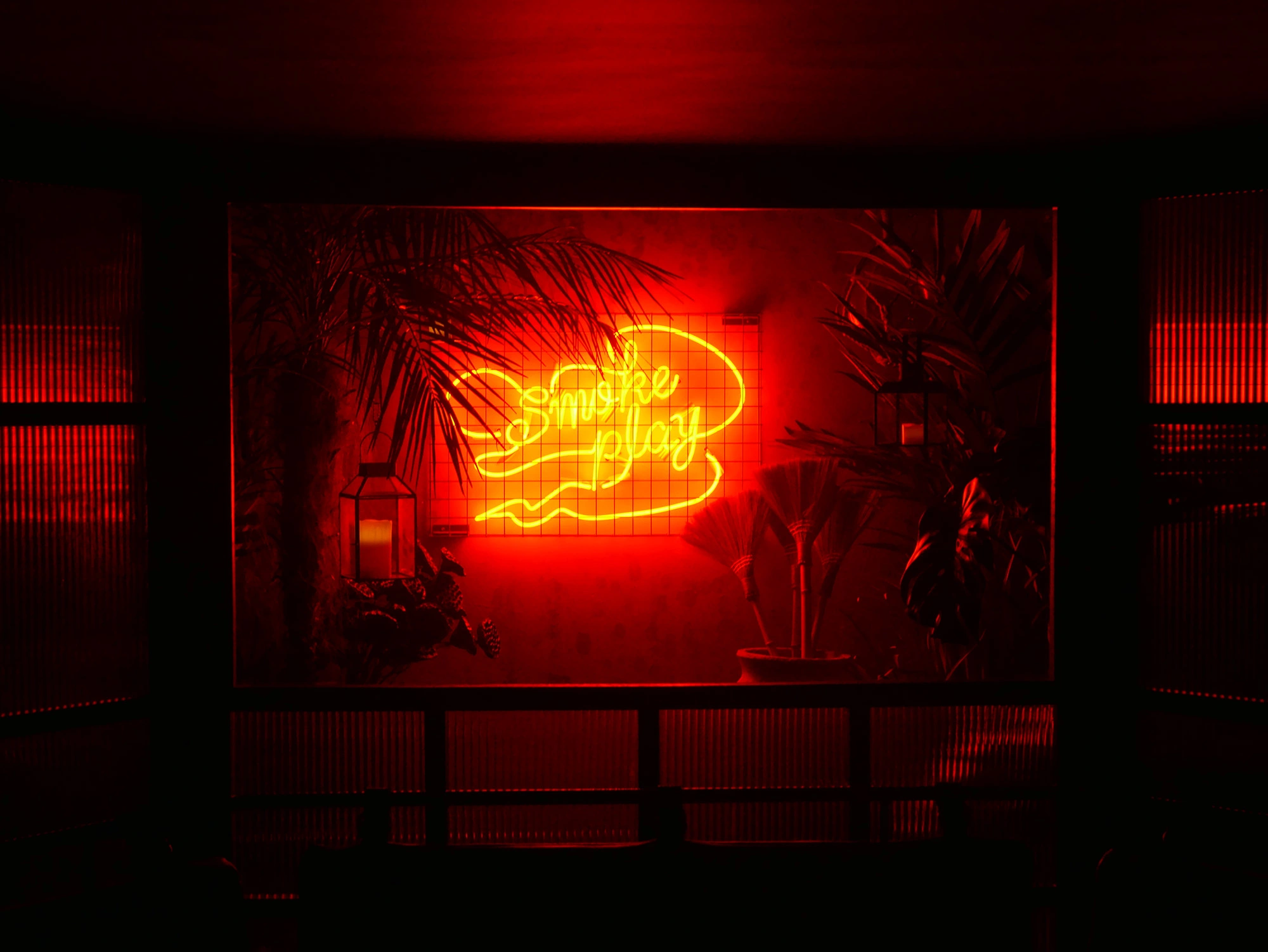
Guests may not remember the exact upholstery finish or the joinery detail of a banquette. But they will remember a dramatic neon installation that makes them pause. They’ll remember a pattern that feels rich with cultural references. And remember something that sparks conversation. Art creates emotional texture. It can soften minimalism, amplify drama, introduce wit or add depth. It gives a space soul.

The opposite is also true. Poorly chosen artwork can undermine an otherwise beautifully executed interior. In franchise environments especially, this is a genuine risk. A hotel owner may make independent art choices that dilute the integrity of the wider brand, even when the signage, interiors and graphics are tightly controlled. A strong art strategy protects against that. It safeguards the visual tone and ensures that the experience feels cohesive at every touchpoint.

Art as Narrative

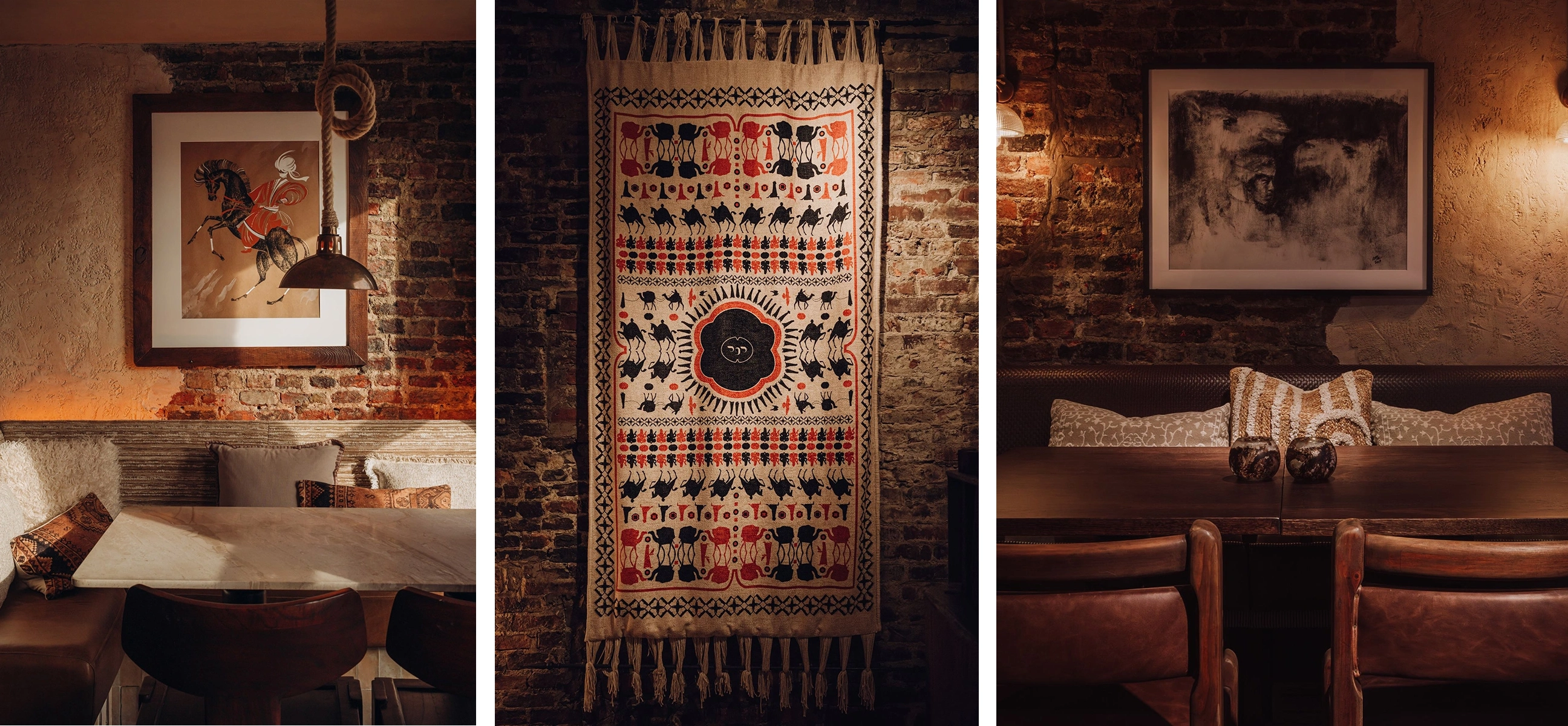
Our project for DOOD, a Persian restaurant inspired by the ancient Silk Road, is another example of art working as narrative infrastructure rather than decoration. The concept drew on the idea of making the restaurant feel like a caravanserai, the historic roadside inns where travellers once gathered along trade routes. We created a body of bespoke framed artworks, and layered textiles and draped elements that helped conjure that atmosphere of movement and gathering.

At the heart of the art scheme was a reimagined Persian rug, designed using subtle brand motifs woven into the pattern so discreetly that most guests would never consciously spot them. That balance is important. The brand language exists within the artwork, but it never feels heavy-handed. The result is immersive rather than branded.

In spaces like this, art is not filling gaps. It's building worlds.

Why It Matters

A considered art collection strengthens identity, enhances atmosphere and protects brand integrity. It ensures consistency across locations and creates opportunities for the artwork to live beyond the wall, woven into fabrics, graphics and digital storytelling.

Most importantly, it elevates the guest experience. It turns a well-designed space into a memorable one.

For us, art is not the finishing touch. It is part of the foundation.

If you have a hospitality project with blank walls and you’d like to discuss, or you’re exploring how a bespoke collection could become part of your brand world, we’d love to hear from you. Get in touch.

No items found.
February 25th, 2026